The Bare Patch Is Not Always a Problem
A bare patch in the garden may need time, not plants. Learn to read its light, seasonal growth and intended use before deciding what belongs there.
A bare patch in the garden can look unfinished from the kitchen window: a stretch of soil beside a border, an open corner beneath a tree, or a gap where last season’s plants have died back. Before reaching for a trowel, give the space a little attention. What appears empty may be resting, waiting for a changing pattern of light, or serving a purpose that plants would crowd out.
Leaving ground unplanted is not automatically good design, and filling it is not automatically a mistake. The useful question is whether the patch is genuinely available for planting. A short period of observation can reveal that answer more clearly than an impulsive trip to the garden centre.
What does “empty” actually mean?
A garden bed is rarely static. Perennials retreat below ground, bulbs appear and disappear, and annuals leave open soil between seasons. A patch that looks bare today may be part of a planting sequence rather than a gap in the design.
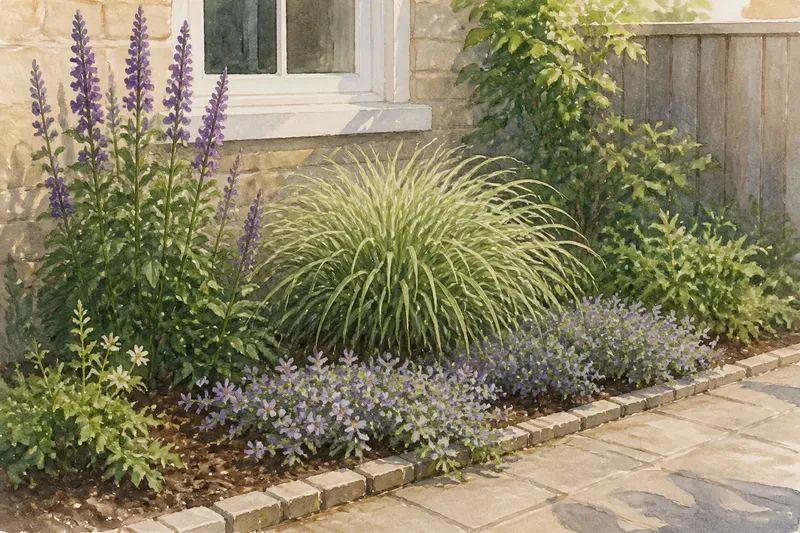
There may also be a physical reason for the opening. A mature shrub can cast shade that changes as branches leaf out; a wall may hold warmth, while the ground near a downpipe may remain damp. Those conditions help determine what can grow there, but they can also make the space useful as it is.
Try naming what you see without judging it: exposed soil, low groundcover, fallen leaves, a seasonal gap, or a clear place to stand. A precise description makes it easier to decide whether the space needs a plant, a different treatment, or no intervention.
How can you read the patch before planting?
Observe the area on more than one occasion, including at different times of day and during more than one kind of weather. A sunny morning can give a misleading impression if the fence shades the bed by afternoon, and a dry surface after a breeze tells little about how water moves through the soil after rain.
Notice what is already happening around the patch. Are nearby plants leaning towards it, spreading into it, or dropping leaves over it? Are seedlings appearing on their own? These signs help you understand the living pattern without assuming that every volunteer plant must stay.
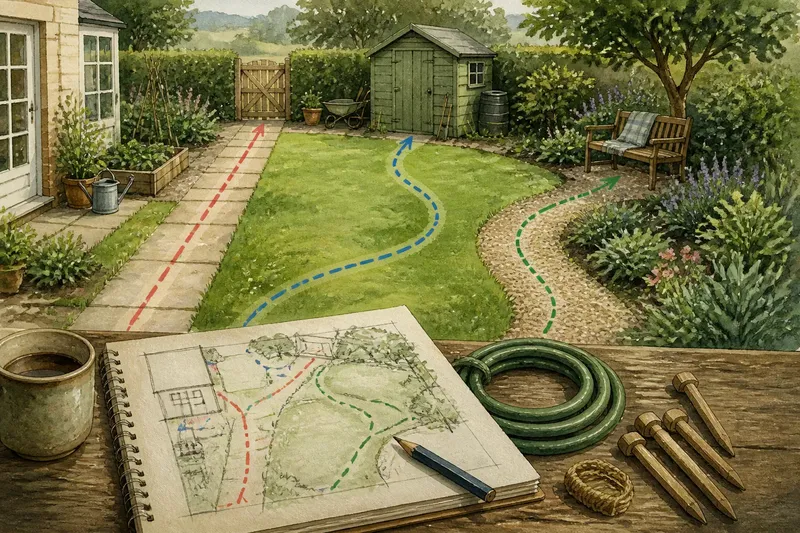
Keep the observation simple. You might mark the patch on a rough sketch and note whether it is bright, shaded, damp, dry, quiet or regularly walked across. The aim is not to make a formal survey; it is to prevent a decision based on a single glance.
Does the light change through the year?
Light is not a permanent label attached to a corner of the garden. A deciduous tree can leave a bed open to spring sun, then shade it heavily in summer. A low winter sun may reach places that receive little direct light once the garden is in leaf.
Watch for the effect of nearby structures as well as trees. The shadow from a fence, shed or house can shift across the ground, while reflective walls can make a sheltered spot warmer and brighter than its aspect alone suggests. If the patch is intended for a particular plant, compare its requirements with the conditions you actually observe, rather than relying only on a compass direction.
A temporary marker can help: place a small cane at the edge and note where its shadow falls at different points in the day. Keep the marker unobtrusive and remove it when the observation is complete.
Could the open space already have a job?
Not every useful garden area needs to be green. An open patch can leave room to kneel while weeding, set down a watering can, reach a tap, or inspect the base of a tree. It may also give a crowded border a visual pause, allowing the shape of nearby foliage to register instead of merging into one continuous mass.
Consider how you move through the space. If you regularly step into the patch to prune or harvest, adding a plant there could make routine care awkward. If children play nearby or a gate swings across the area, a clear surface may be more useful than another clump of foliage. The intention need not be elaborate: simply keeping access open is a valid design choice.
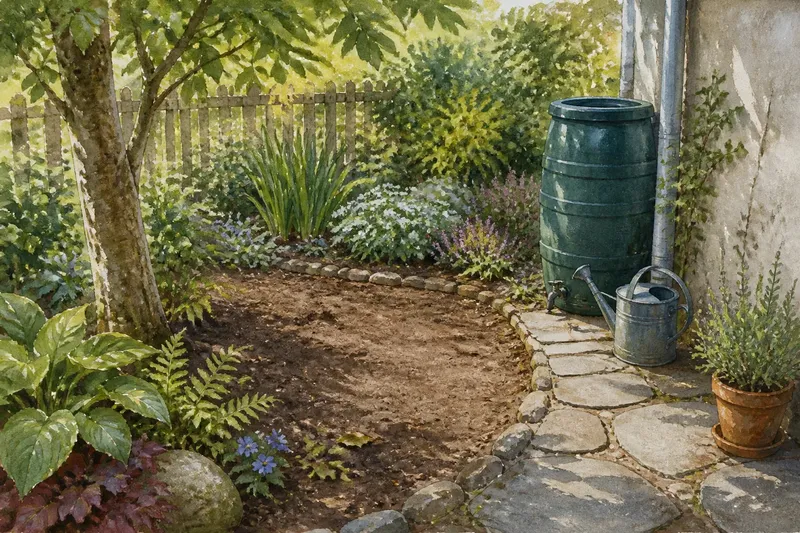
Say you have a small bare crescent beside a water butt, where you stand to fill a can and check the tap. If you notice that the patch is a regular working space, leaving it open or keeping its surface tidy may serve you better than planting it; the result should be easier access without foliage being crushed.
When should you leave a bare patch alone?
Wait when the area contains plants that may return, when its light pattern is unclear, or when you have not yet decided how you want to use it. Waiting does not mean abandoning the garden. It means allowing the conditions to show themselves before you choose a permanent occupant.
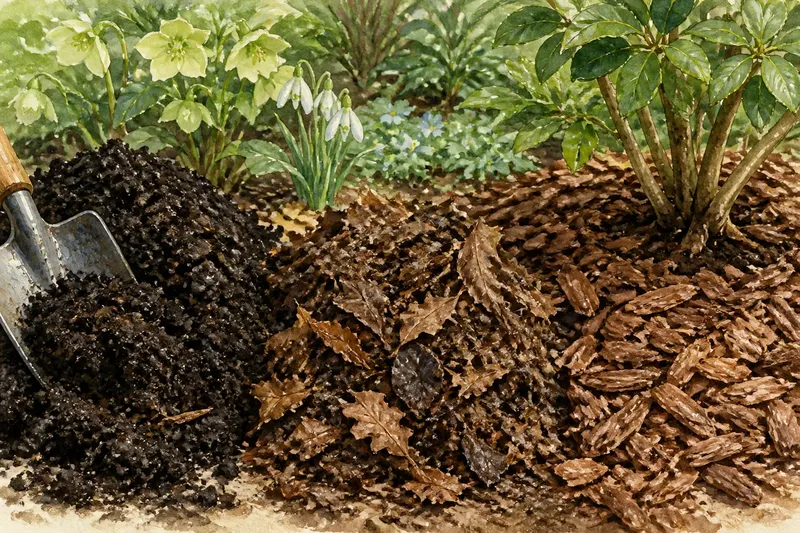
There are also reasons to avoid treating every exposed patch as a planting opportunity. Bare soil can be vulnerable to erosion or unwanted seedlings, so the surface may need attention even if no new plant is wanted. A loose layer of suitable organic material can protect the ground while leaving the decision about planting open. Choose materials with the bed’s existing plants and the condition of the soil in mind.
If the patch is small and contained, you can keep it under observation through a change of season. If it is part of a larger area where rain washes soil away, deal with that immediate issue rather than waiting for a complete redesign.
What should you ask before filling it?
Is the patch truly vacant?
Look for dormant perennials, bulbs, self-sown seedlings and plants that have retreated beneath the surface. If you are unsure what is there, mark the area and watch before digging or planting over it.
How does the light move?
Check whether the patch receives direct sun, shifting shade or mostly reflected light at the times that matter for the plants you are considering. A single observation rarely captures a full season’s pattern.
Will anyone need to stand or reach there?
Think about nearby taps, gates, compost bins, beds and pruning access. A space that supports routine work may be more valuable clear than planted.
What would a plant add?
Name the specific purpose: flowers, foliage, screening, cover or a seasonal change. If you cannot identify what is missing, wait rather than buying a plant simply because the soil is visible.
How can you make a careful planting decision?
Once the patch’s conditions and purpose are clearer, decide whether it needs a plant at all. If it does, choose for the observed site: consider mature spread, seasonal appearance, soil moisture and how the plant will relate to its neighbours. A modest specimen can be easier to accommodate than a quick-filling choice whose eventual size is uncertain.
When the answer is still unclear, make the decision reversible. A pot placed in the area can show how a plant’s colour and shape sit beside existing foliage without disturbing the soil. It will not reproduce the growing conditions exactly, but it can help you judge the visual effect before committing to a bed.
For a permanent planting, prepare only the ground needed for the chosen plant and retain access around it where useful. Follow the plant label or the supplier’s instructions for its site and care; local conditions and product guidance can differ.
The bare patch is not always a problem, and a garden need not be filled to look considered. Read its light, notice what grows and ask what the space is for; then let the evidence, rather than the urge to cover soil, shape the next choice.
When you review the garden later, use the same patch as a quiet reference point. If it remains useful and legible, its openness is doing design work; if its role changes, you can plant with a clearer reason.